Communicate with Supplier? Supplier
cqchuke Mr. cqchuke
What can I do for you?
Contact Supplier
 Email:dorotao@cqzixu.com.cn
Home > Applications > Infrastructure
Infrastructure

Synergistic application of laser and lattice technologies throughout the entire lifecycle of infrastructure
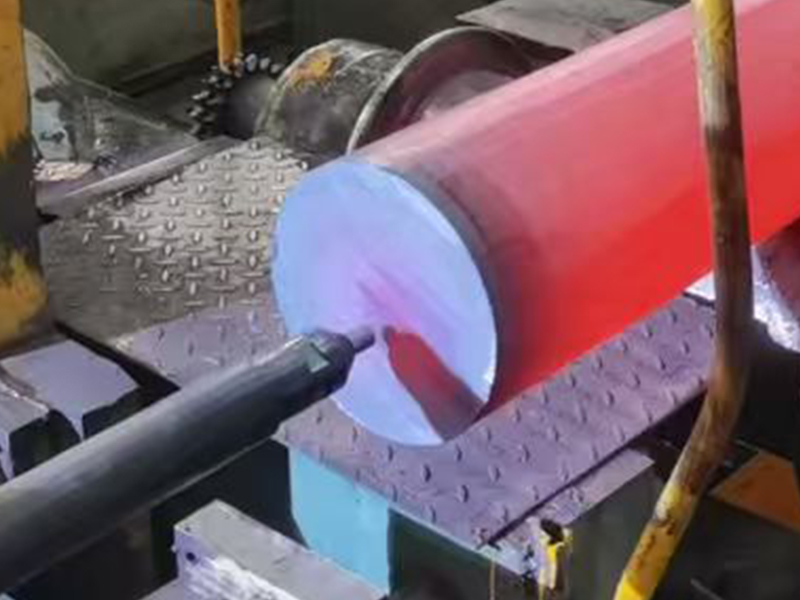
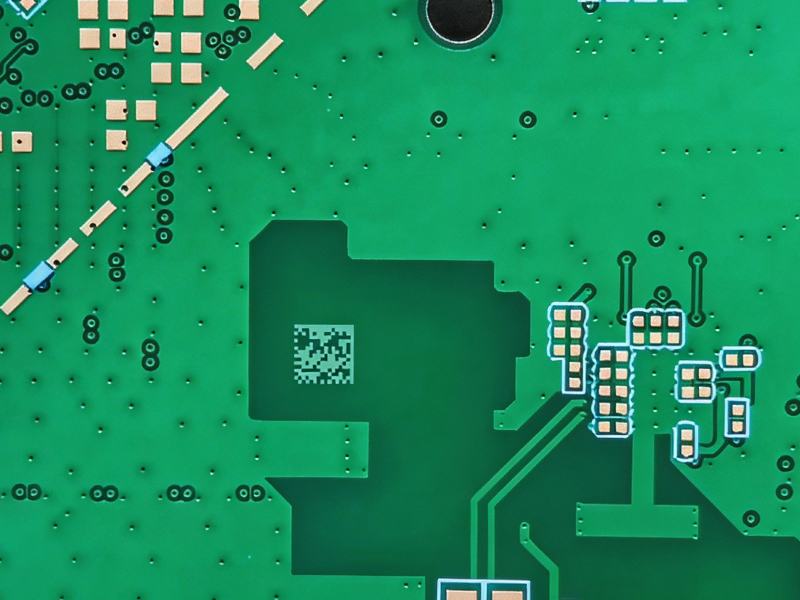
In infrastructure sectors such as communication base stations, rail transit, bridges, and tunnels, the full lifecycle management of key components is facing unprecedented challenges. The traditional linear model of "design-manufacturing-use-scraping" is no longer sustainable. A new paradigm is emerging, combining laser technology with traditional dot matrix marking: dot matrix marking is unbreakable under extreme high temperatures and deep marking conditions, laser marking excels in precision, high-speed, and high-density data carriers, while laser welding, cleaning, quenching, and cladding respectively address the core pain points of processing, maintenance, and lifespan extension.
Application across the entire chain from housing to heat sink
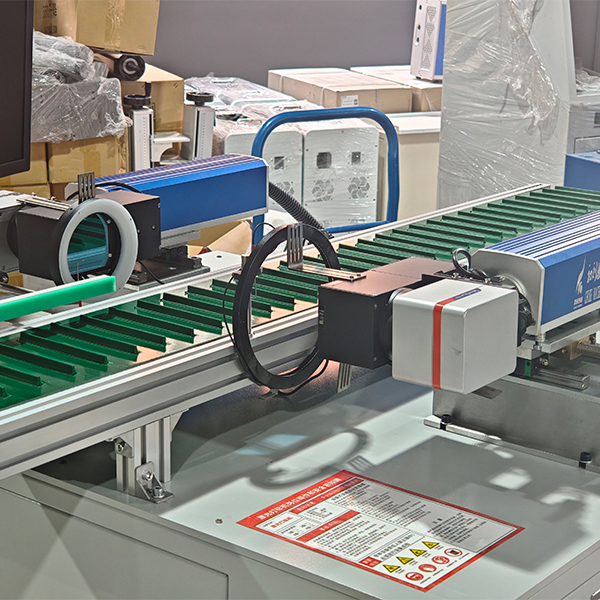
Fiber laser marking can directly engrave high-contrast serial numbers and QR codes on coatings for whole-machine assembly traceability. Dot marking is less commonly used in such scenarios because it may damage the coating and the characters are not aesthetically pleasing.

Microwave waveguides and coaxial connectors inside base stations are typically made of aluminum alloy laser welding, and some housings also need to be welded to copper busbars.

Laser-based rapid stripping of communication cable ends for connection and pre-treatment before soldering have wide applications, and such applications are currently undergoing a shift from cutting-edge technology to mainstream.
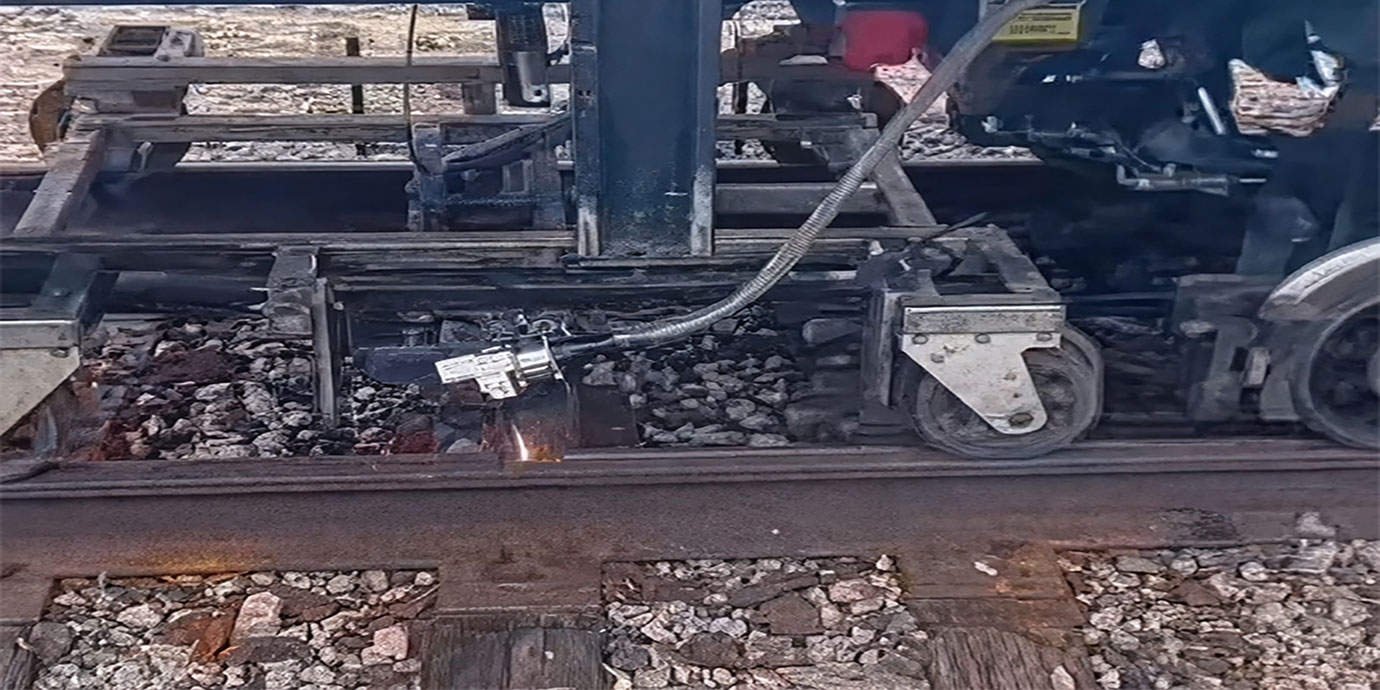
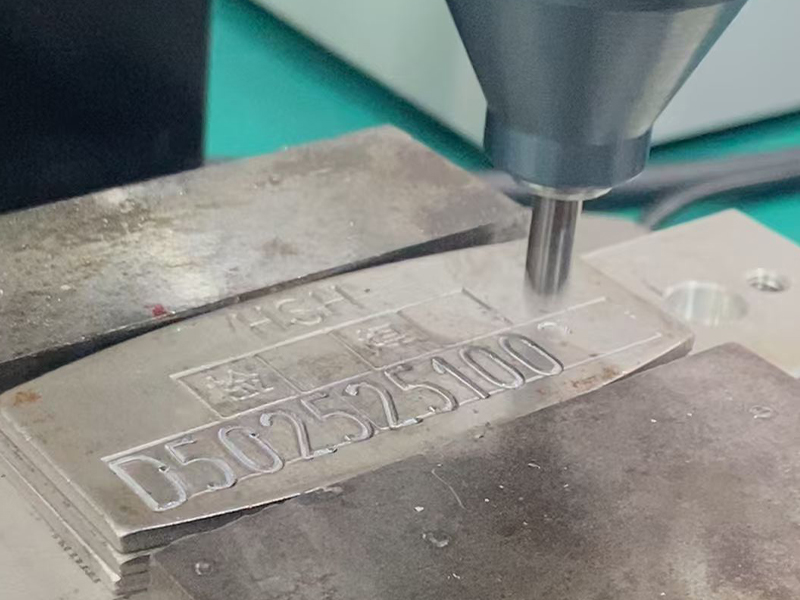
Railways and highways
  • Identity Recognition: Laser Marking Dominates
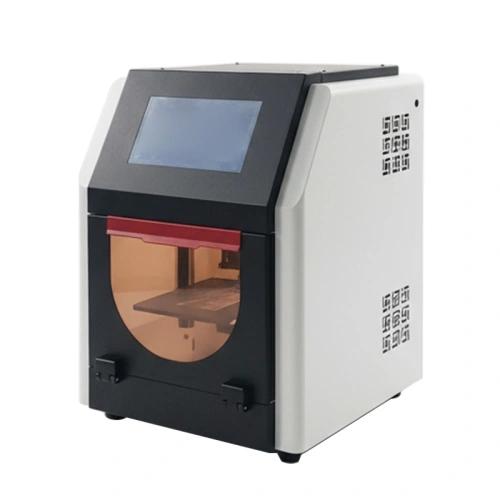
    The core components of 5G/6G base stations include AAU (Active Antenna Unit), filters, and heat sinks. These components are made of aluminum alloy or die-cast zinc alloy, with surfaces treated by powder coating or anodizing. Fiber laser marking can directly engrave high-contrast serial numbers and QR codes on the coating for traceability during assembly. Dot marking is less commonly used in such scenarios because it may damage the coating and the characters are not aesthetically pleasing.
  • Laser welding: Precision connection of waveguides and connectors
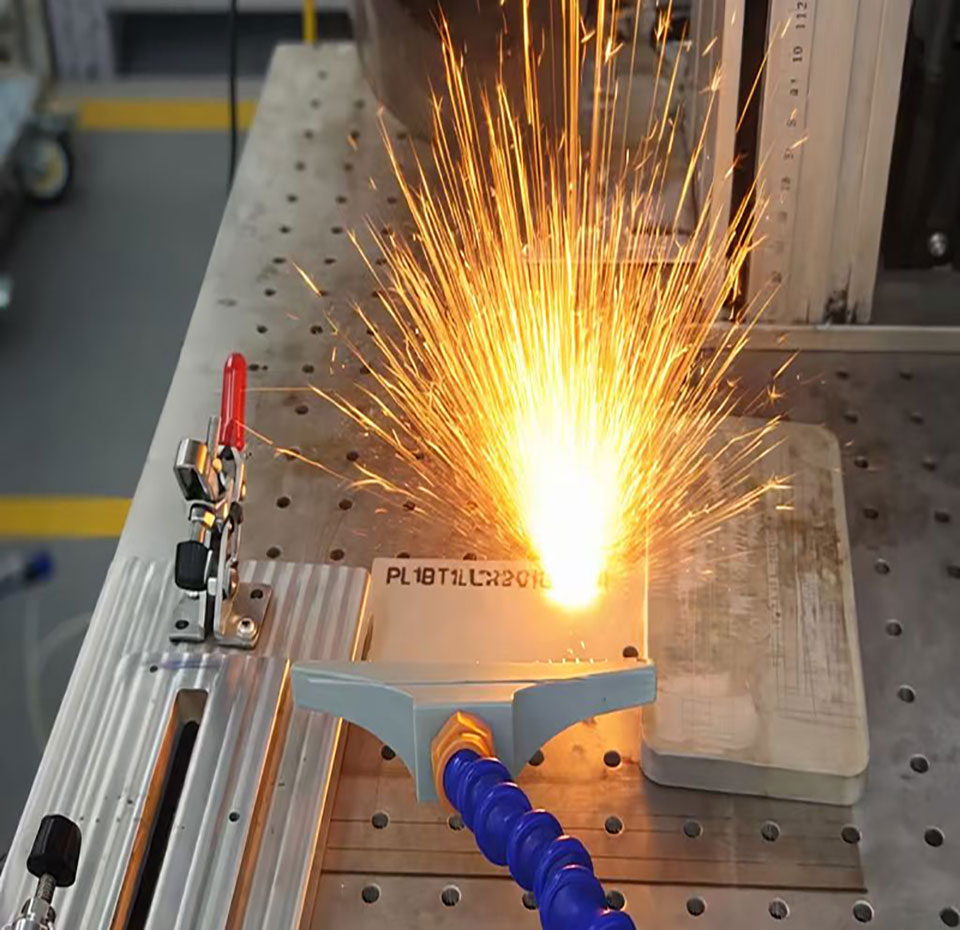
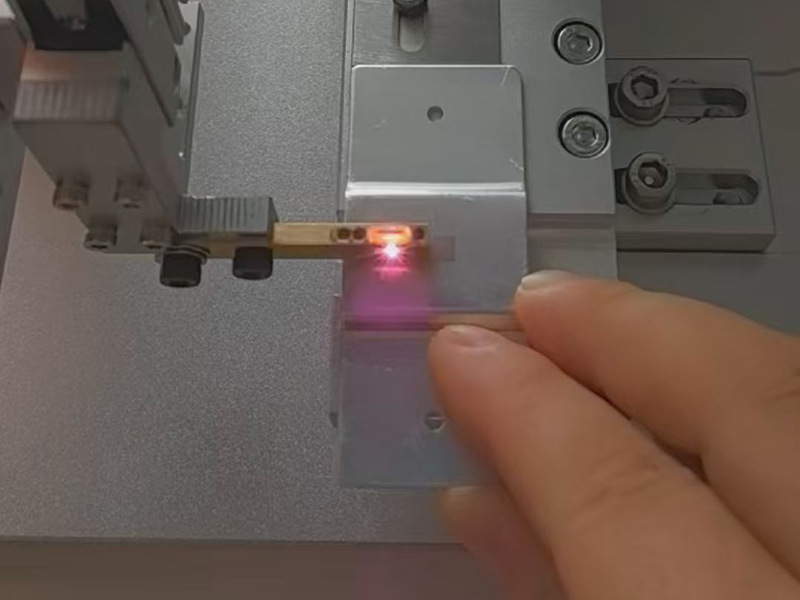
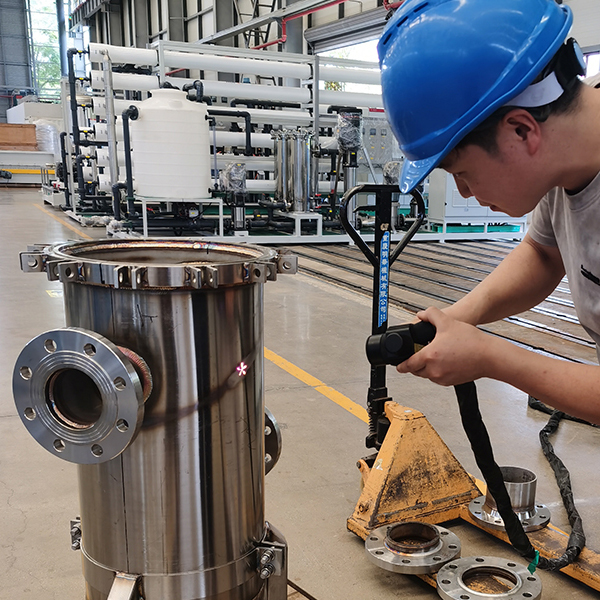
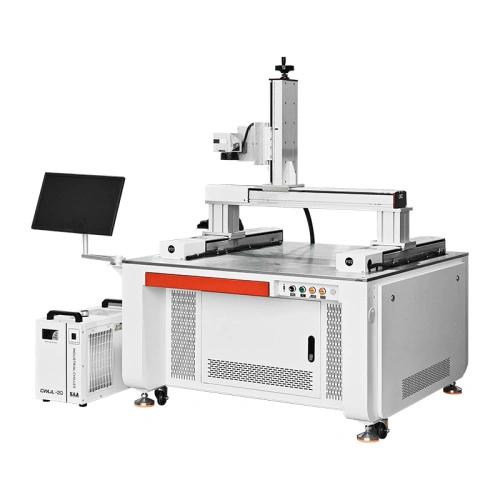
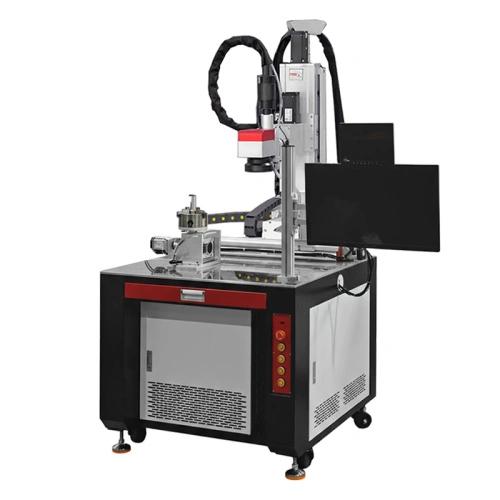
    Microwave waveguides and coaxial connectors inside base stations are typically welded from aluminum alloy using laser welding, and some housings also require welding to copper busbars. Thanks to the continuous development of laser welding technology, automated platform laser welding, robotic laser welding, and QCW laser welding are all widely used in such high-precision welding tasks. For housing welding, automated platform laser welding is currently the dominant method, as its stable motion control and welding quality are key to achieving IP64 or even higher waterproof ratings for these outdoor installations.
  • Laser Cleaning: From Accelerating Production to Proper Maintenance
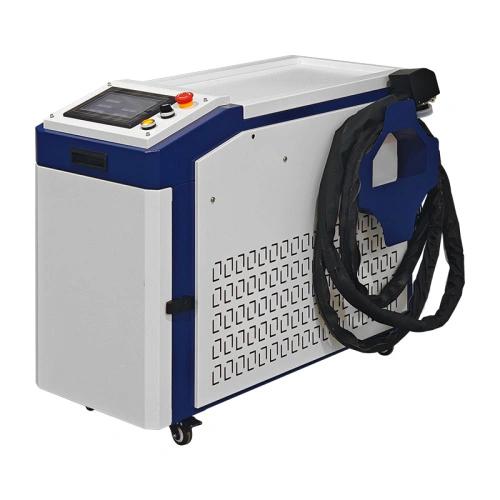
    For suppliers of communication base stations, railway and subway signal networks, and command systems, laser cleaning has become a technological tool to improve their production efficiency. Whether using lasers to quickly strip the ends of communication cables for connection or for pre-treatment before soldering, it has a wide range of applications, and these applications are currently undergoing a shift from cutting-edge technology to mainstream.
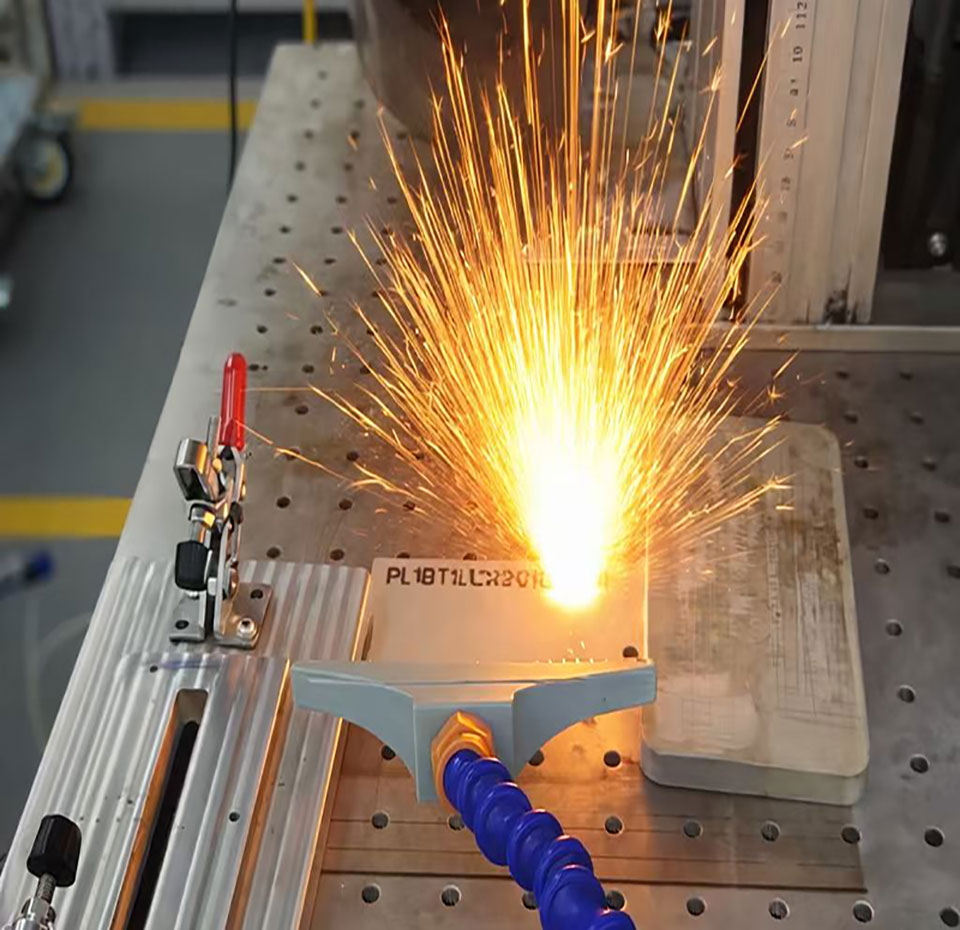
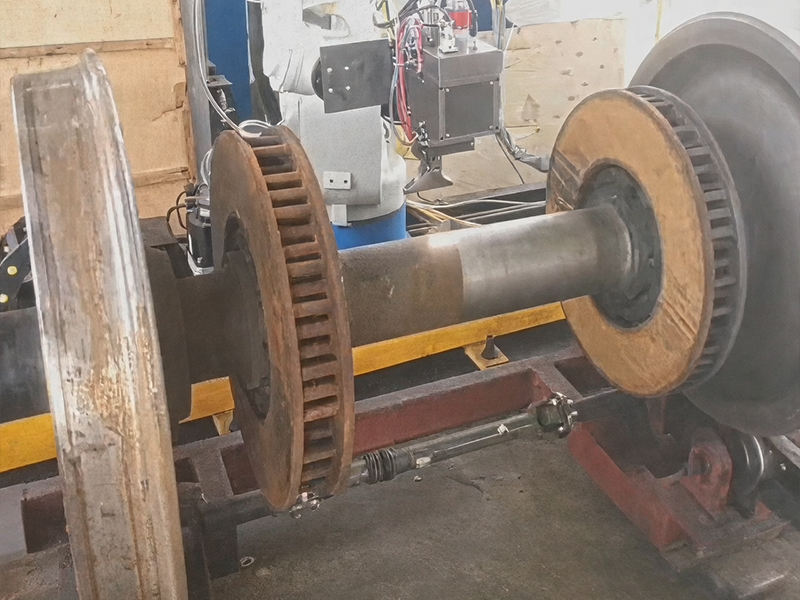
Wheelsets, third rail and signaling equipment

  • 01
    Standard procedure for laser cleaning + flaw detection
    Conventional enzyme production is mainly produced by hand, hand-sliced, hand-fermentation, the company every step of the process are used self-developed technology and equipment to automate production. Moreover, the conventional enzyme production have adopted a fermentation technology, enzyme often taste discomfort, sour and other issues, I produced using a variety of enzymes, probiotics composite grade fermentation technology, fermentation at different times with different strains, and two or three times through fermentation, enzymes such pure taste, streptozotocin balanced nutrients.
  • 02
    Laser cladding wear-resistant layer
    Conventional enzyme production is mainly produced by hand, hand-sliced, hand-fermentation, the company every step of the process are used self-developed technology and equipment to automate production. Moreover, the conventional enzyme production have adopted a fermentation technology, enzyme often taste discomfort, sour and other issues, I produced using a variety of enzymes, probiotics composite grade fermentation technology, fermentation at different times with different strains, and two or three times through fermentation, enzymes such pure taste, streptozotocin balanced nutrients.
  • 03
    Laser marking
    The housings of transponders, axle counters, and signal machines along the subway line are made of cast aluminum or stainless steel. Laser marking is used to engrave the equipment ID, installation date, and verification QR code, which makes it easy for maintenance personnel to quickly retrieve maintenance history on handheld terminals.
  • 04
    Laser cladding wear-resistant layer
    Conventional enzyme production is mainly produced by hand, hand-sliced, hand-fermentation, the company every step of the process are used self-developed technology and equipment to automate production. Moreover, the conventional enzyme production have adopted a fermentation technology, enzyme often taste discomfort, sour and other issues, I produced using a variety of enzymes, probiotics composite grade fermentation technology, fermentation at different times with different strains, and two or three times through fermentation, enzymes such pure taste, streptozotocin balanced nutrients.

Conclusion

"Collaboration" – Using the right tools to solve the right problems

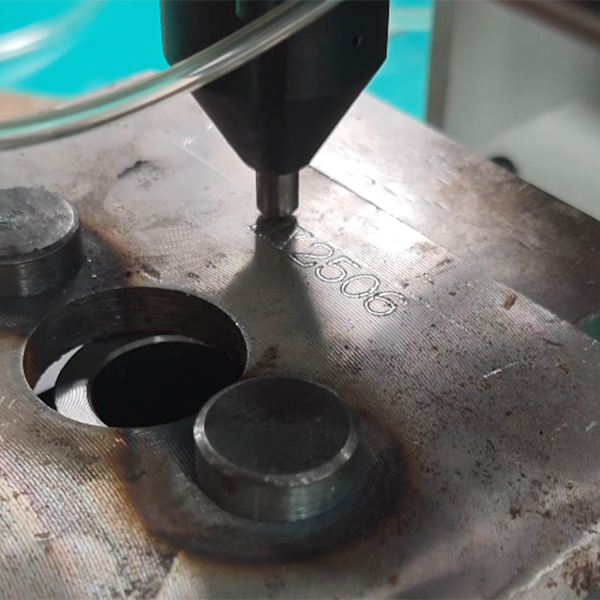
Dot marking: With its unique advantages of high temperature resistance, large depth, and low cost, it is irreplaceable in steel metallurgy, heavy casting, and railway fasteners, and is the only choice for extreme working conditions such as high-temperature steel billets.

Laser marking: Dominates in scenarios requiring precision, high speed, high density data carriers, and high aesthetics (communication base stations, signal equipment).

Laser cleaning, quenching, cladding, and welding: Demonstrate revolutionary efficiency in processing, maintenance, strengthening, and repair, driving the transformation of infrastructure operation and maintenance from "replacement" to "repair" and "life extension."

From QR codes on the shells of communication base stations to the reinforcement of rails in heavy-haul railways; from deep marking on tunnel segment molds to green cleaning of subway wheelsets—the synergistic application of laser and dot matrix technologies is building a complete technical toolbox for the full lifecycle management of infrastructure. The future development direction will be higher power laser cleaning and cladding equipment, higher temperature resistant dot-matrix marking actuators, and more intelligent automation integration, ultimately achieving "less manned" or even "unmanned" intelligent operation and maintenance of infrastructure.
Please Leave Us A Message
We will contact you

Home

Phone

Skype

Inquiry

泰宁县| 贡山| 济宁市| 西和县| 阿克苏市| 万安县| 喀喇| 新营市| 石嘴山市| 崇文区| 庄河市| 溧阳市| 安图县| 石嘴山市| 灵山县| 靖宇县| 山丹县| 海阳市| 珲春市| 潼关县| 沁源县| 东平县| 灵川县| 天峻县| 依安县| 临邑县| 临泽县| 大安市| 依兰县| 辽宁省| 阿瓦提县| 平利县| 惠东县| 平江县| 始兴县| 汤原县| 平遥县| 连山| 泗阳县| 榆林市| 泽普县|